Bringing Clarity to Complex Education Projects
Adam Douglas, Project Director at AIS, explains why getting the right support from specialists can help schools make the right choices.
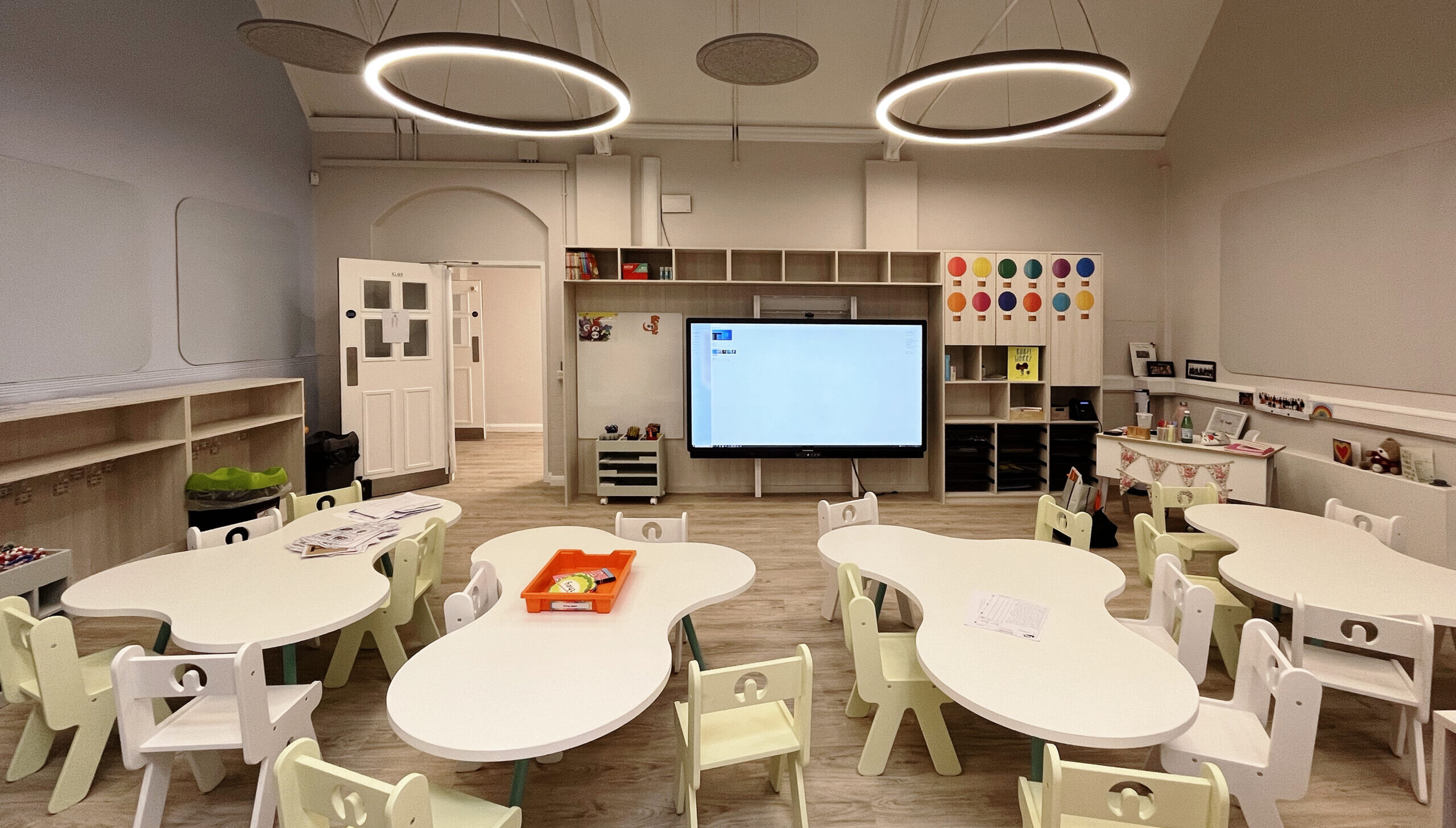
Schools often approach construction and refurbishment projects while under pressure, battling tight timelines, unclear scopes and uncertainty about who to engage first. This isn’t due to a lack of care: it’s more a reflection of the competing priorities that school leaders face. Curriculum planning, safeguarding, inspections and meeting the needs of students often come before estate management, meaning building projects can sit quietly in the background until a deadline suddenly creeps up.
When this happens, schools can find themselves making complex decisions at speed, often without all the information needed to move forward confidently. But there are ways to avoid this by engaging the right people at the right time, leaning into specialists and getting the support needed to create a clear, phased approach to planning and delivery.
The Sweet Spot For Planning
No matter the sector, early engagement consistently leads to better project outcomes. When schools, architects and delivery partners have conversations at the very beginning, together they can establish realistic budgets, identify challenges, and build programmes that work with term times.
Our rule of thumb is to work to a 90 day plan, covering three key stages, to bring order and confidence to the early stages of a project:
- Assess (Day O to 30): Understand and challenge the project baseline including reviewing designs, engaging stakeholders, assessing programme, risks, supply chain and cost, undertaking surveys and validating existing information. The goal is to have a clear, evidence-based understanding of the project.
- Develop (Day 30 to 60): Define the strategy and align the team. At this stage we want to achieve a coordinated design, agreement on the strategy and align the team for delivery.
- Deliver (Day 60 to 90 and beyond): Mobilise and execute with control, commencing works or early enabling activities. At this point the project is fully underway with clear control across delivery, cost and quality.
That timeframe allows for proper planning without losing momentum.
Once clarifications have been made around the scope and scale of the works those durations can be reduced leaving everyone with a clear, phased roadmap.
Choosing the right team
For architects and developers working in the education sector, a recurring challenge is that schools often begin with an incomplete understanding of the roles required to deliver a project. This can result in architects and developers being the first point of guidance, fielding questions about feasibility, budgets and delivery before a full team is in place. Establishing clarity around responsibilities early on helps ensure that design, cost planning and programme development progress in tandem.
Working with a main contractor who can outline the different pathways is vital. For straightforward refurbishments, a consolidated route involving fewer parties can streamline decision making. For larger or heritage sensitive projects, a broader consultant structure can be more appropriate and often mandated by the schools themselves. The focus should be on helping schools understand how the pieces fit together, so architects can progress confidently without being left to fill gaps that sit outside their remit.
Bringing in the specialists
The importance of specialist knowledge can’t be underestimated. For the best chances of success, it is key to draw on teams who understand the nuances of school environments and can consider everything from safeguarding and circulation to spatial needs and the pressures of working in live settings or to tight school holiday deadlines.
Early feasibility studies, proposed layouts and initial design options can help schools understand what is possible before a full consultant team is assembled. These early insights are even more effective when paired with input from teams who understand the practicalities of delivery. When all work flows develop in tandem, schools gain a more accurate picture of what can be achieved within their budget and timeframe. It also reduces the risk of surprises along the way, particularly in heritage buildings where hidden elements can quickly delay a project.
A confident route forward
Education projects are rarely straightforward. They involve multiple stakeholders, immovable deadlines, operational constraints and, in many cases, complex or historic estates. But with early engagement, clear roles and responsibilities, and the right blend of specialist expertise, schools can move quickly from uncertainty to clarity.
For architects and developers, this approach provides a more stable foundation for design work. For schools, it offers reassurance that the project is being guided by teams who understand both the educational context and the practical realities of construction.
Read the full article, featured on Specify & Build here.
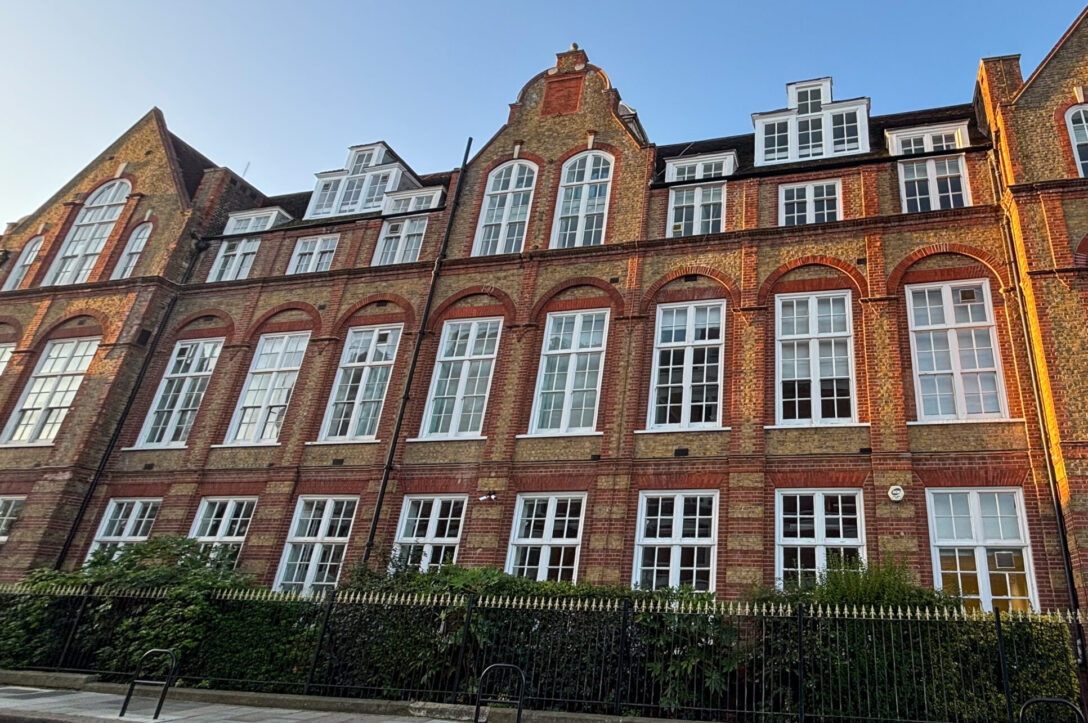
Supporting Excellence in Private Education Through a Trusted Partnership with Inspired Education
School buildings and facilities which set the benchmark for excellence in private education are the backbone of Inspired Education Group. AIS has been working closely with the group to ensure its spaces allow pupils to achieve their maximum potential and help them grow into well-rounded individuals, all while causing minimal disruption to the school calendar.

Get in touch
Contact usRelated insights
The Space Between

Creating Collaborative Spaces for Research and Innovation

Workplace Design Trends Shaping the Middle East

Sustainable Refurbishment for Local Authority Buildings
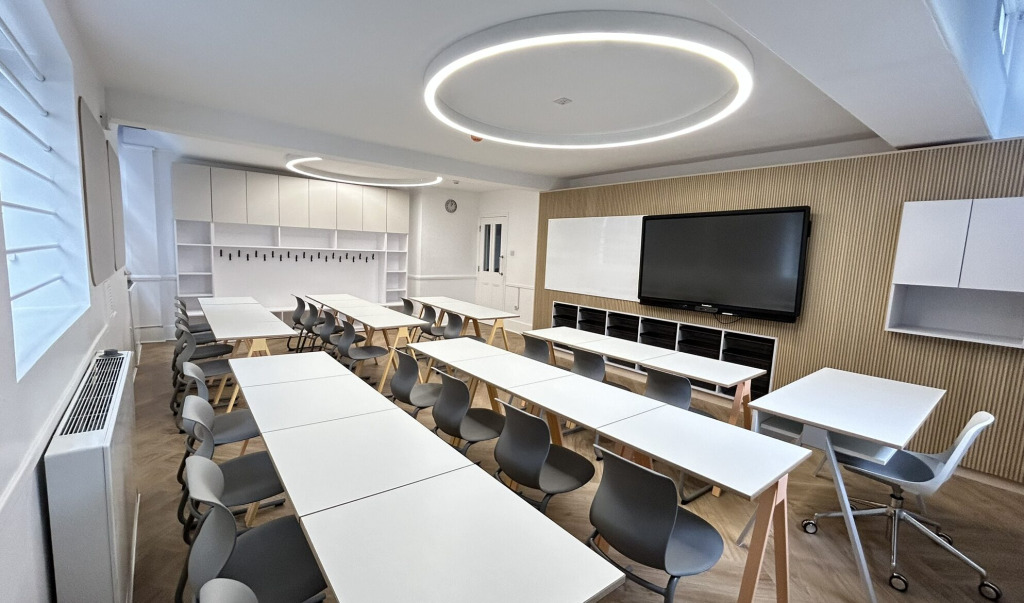
How to minimise disruption when refurbishing a school during term time

AIS is entering a new chapter
Time to Debrand?