

A progressive workplace design that elevates professionalism, client experience and team interaction while enabling future expansion.
Client challenges
- Rapid business growth had exceeded the capacity of their existing workplace, requiring a more mature and professional environment.
- A need to host clients in a space that conveys trust and credibility.
- Limited internal experience meant they required a partner to challenge assumptions and guide first‑time decision‑making.
Transformational impact
- Introduced a progressive spatial model with smaller neighbourhoods, enhancing mobility, wellbeing and collaboration across teams.
- Created dual‑experience circulation paths, elevating client impressions while maintaining lively, functional workspace zones.
- Strengthened brand expression through three distinct material palettes aligned to core values, improving identity, ownership and productivity.
Vitesse had outgrown its existing office and needed a space that reflected its maturity, professionalism and competitive edge within the financial services sector. AIS guided them through their first major workplace fit‑out, challenging initial ideas and proposing a bold spatial strategy built around lanes and avenues to shape both client and employee journeys. The solution introduced multiple neighbourhoods, diverse breakout areas, and opportunities for future growth, supported by materiality and layouts that reflect the brand’s values.
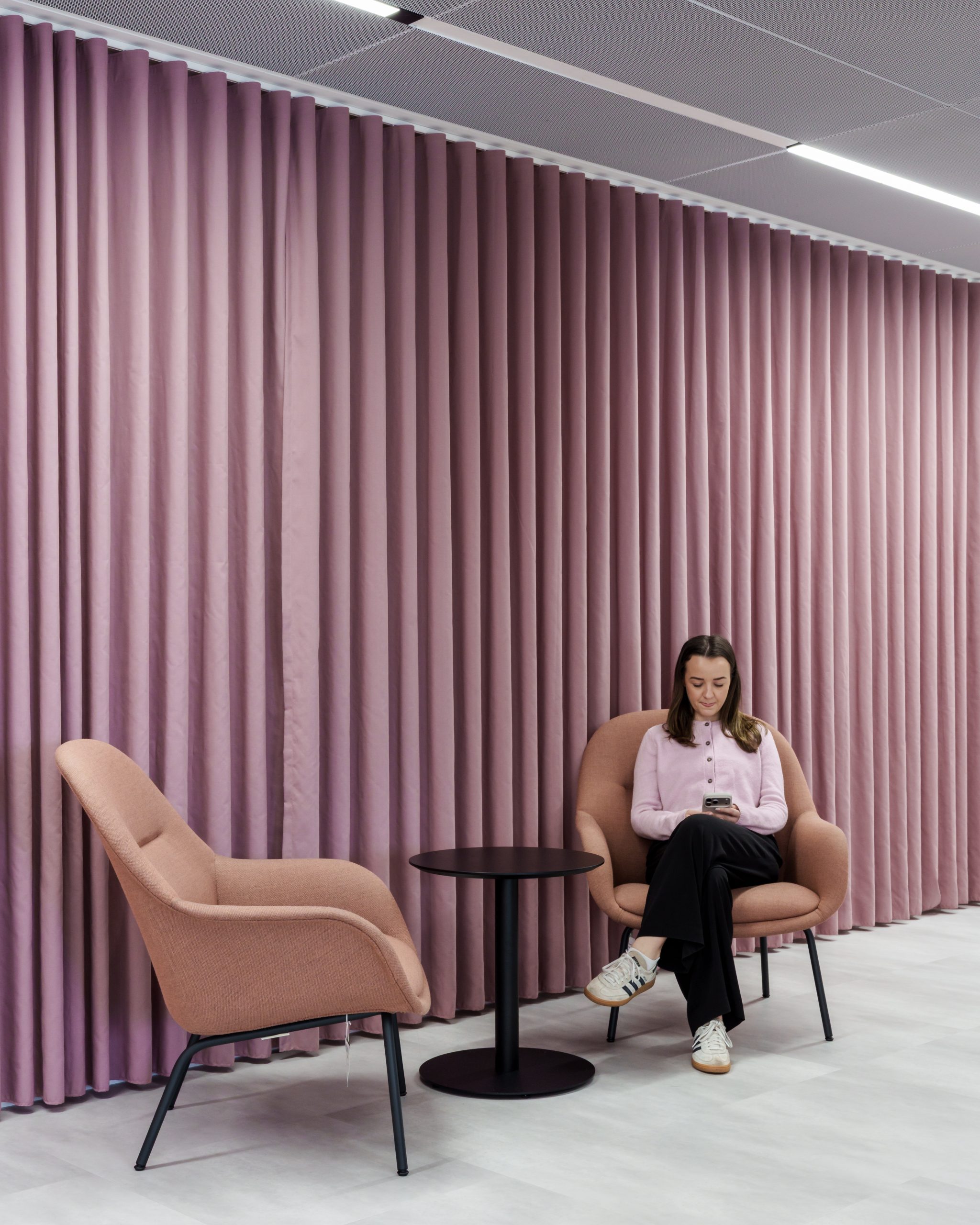
A workplace that expresses maturity, ambition and trust
Vitesse approached AIS at a pivotal moment in their growth. Their existing office no longer reflected who they had become: a more mature, professional financial services brand ready to stand alongside established competitors and host high‑profile banking clients in a credible setting.
As first-timers to a full workplace transformation, they needed a partner who could guide, challenge, and elevate their ambitions. AIS stepped into that role, questioning assumptions, diverging from initial ideas, and proposing a workplace strategy aligned with long-term business goals rather than short-term preferences.
A new spatial concept for Vitesse
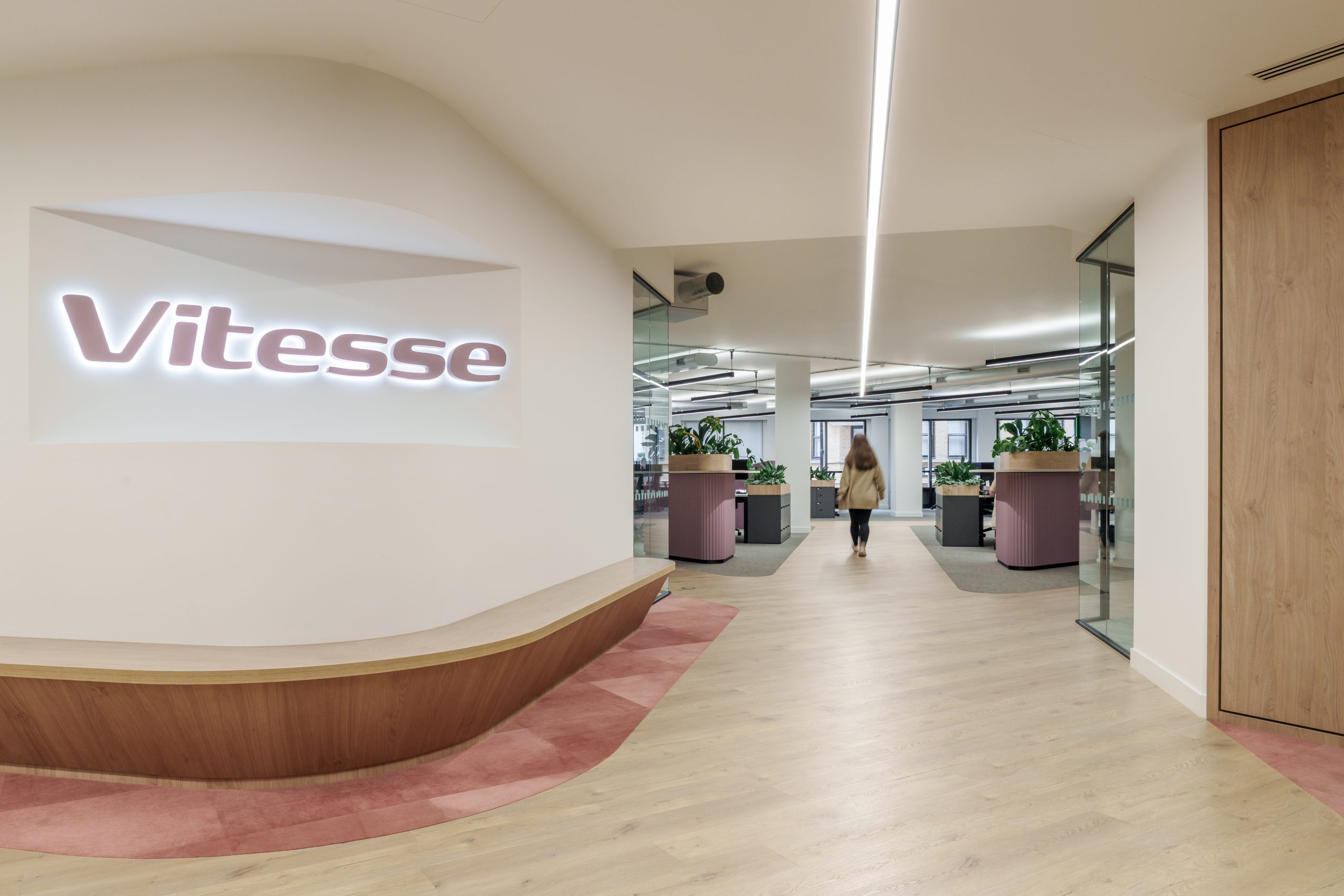
A key design move was the introduction of ‘lanes and avenues’, a spatial system that shapes both the client journey and the employee experience. Clients are directed along a curated path that offers a glimpse into the energy of the office without compromising privacy or flow, while employees benefit from an open, well-connected environment on the opposite side.
This dual‑journey approach supports both professionalism and openness, balancing transparency with control. The design also prioritises natural light, positioning movement and activity near the windows, creating an atmosphere visible from reception and across levels.
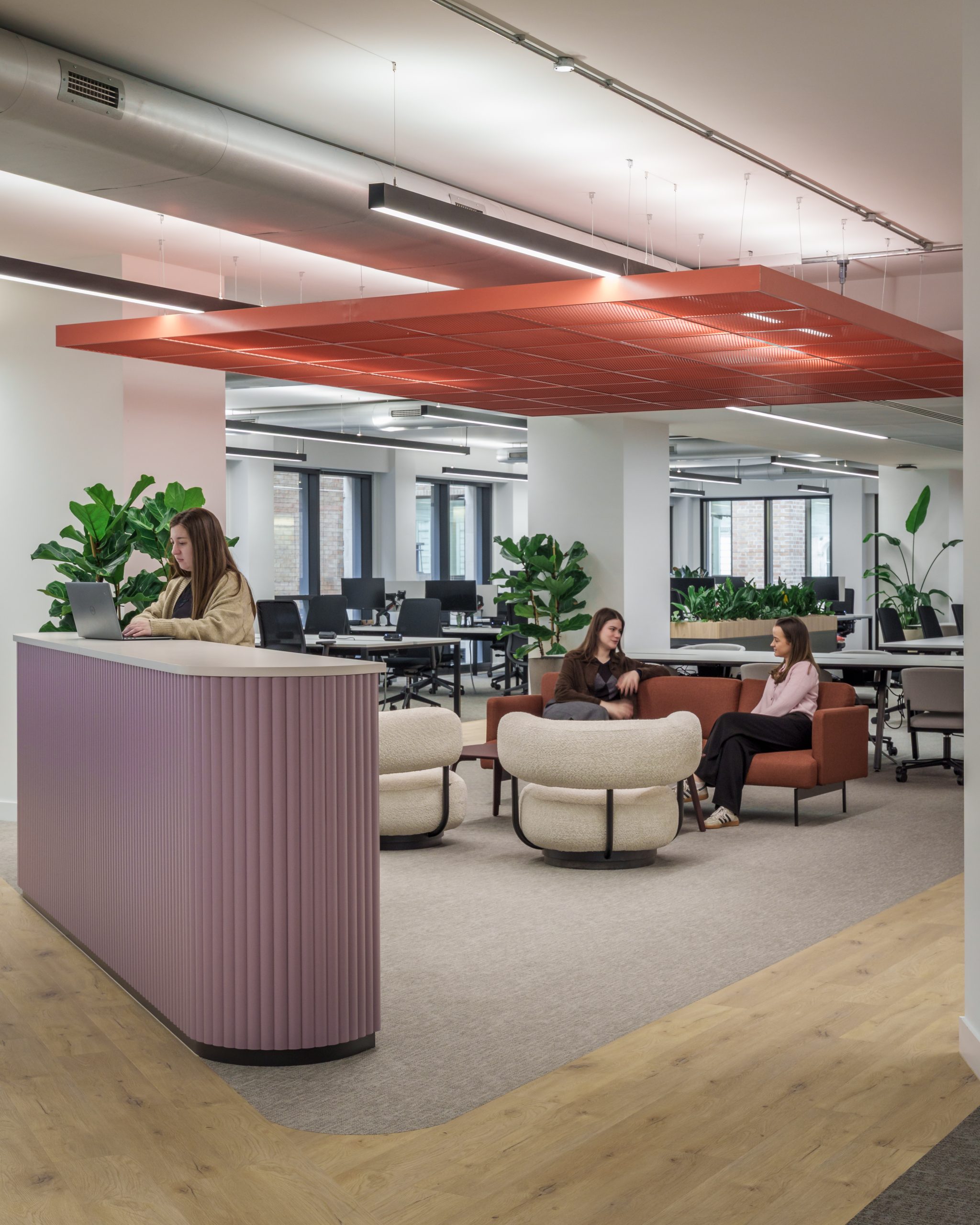
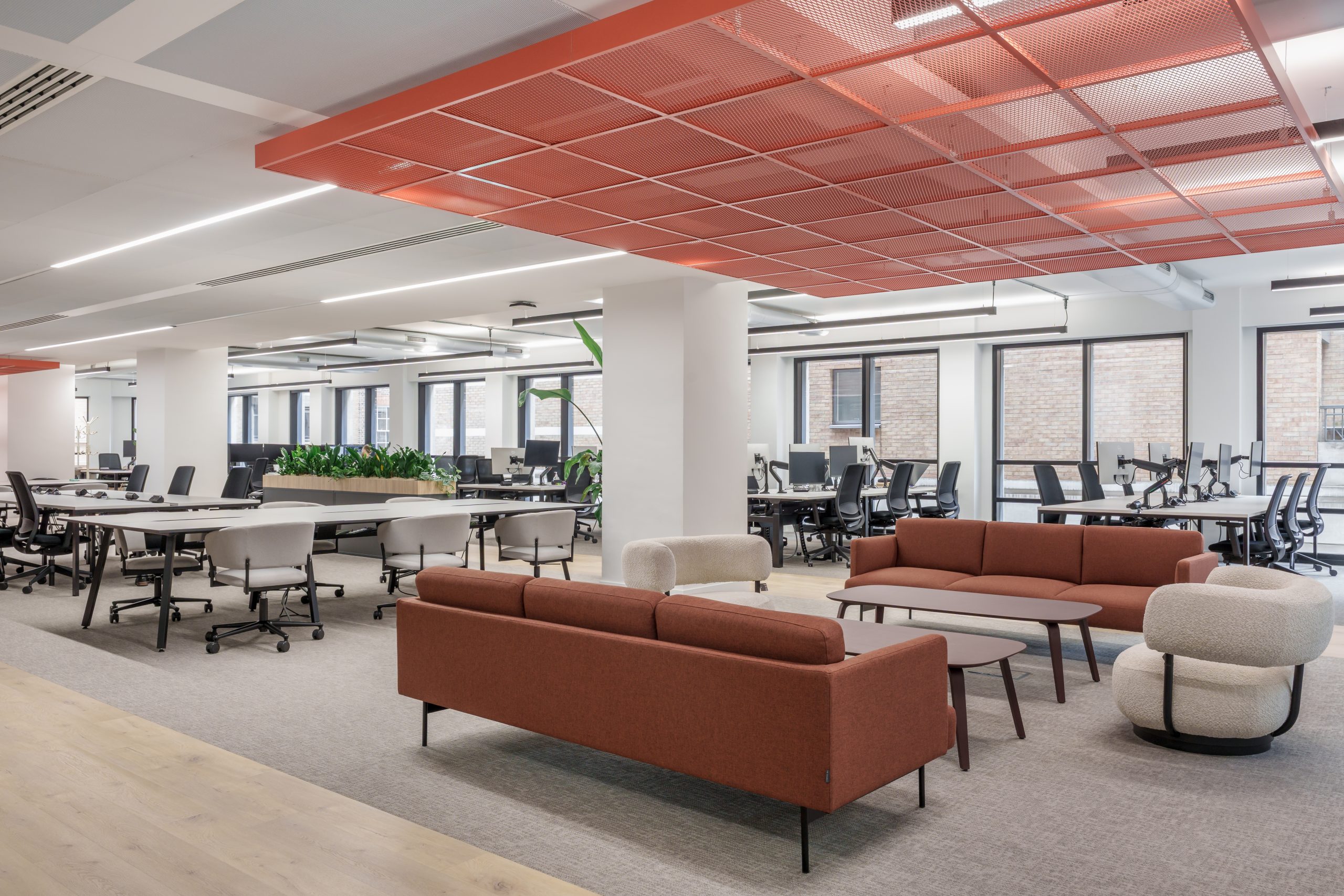
AIS dismissed the conventional workplace layout of a single breakout area, central collaboration zone and edge‑lined desks. Instead, the team developed a progressive approach: a landscape of smaller neighbourhoods, each with its own breakout and collaboration spaces.
This approach increases interaction, supports mobility and improves wellness by offering variety and choice. It also aligns with Vitesse’s need for scale, ensuring that spaces currently used for collaboration can be converted into future desk neighbourhoods to support growth.
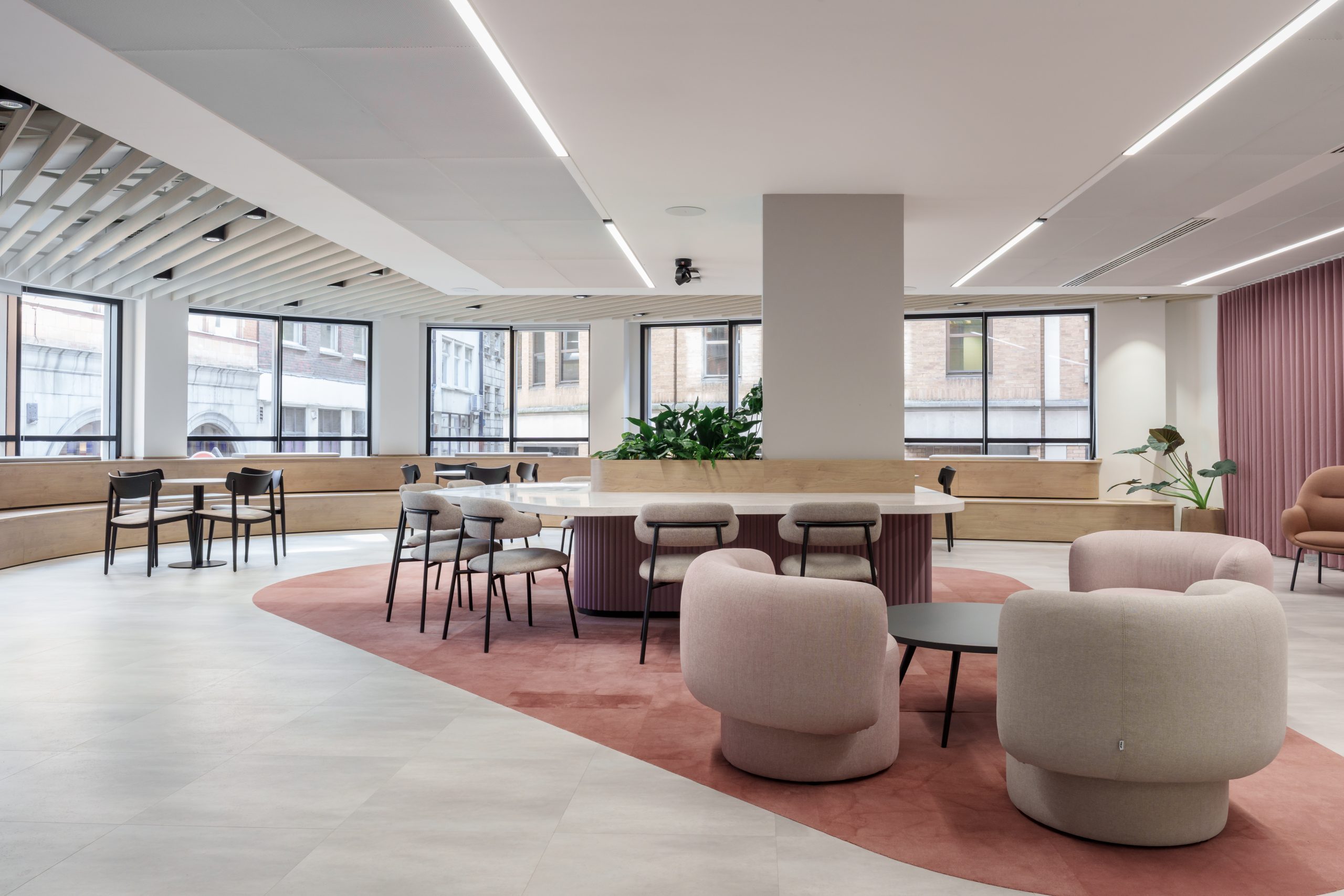
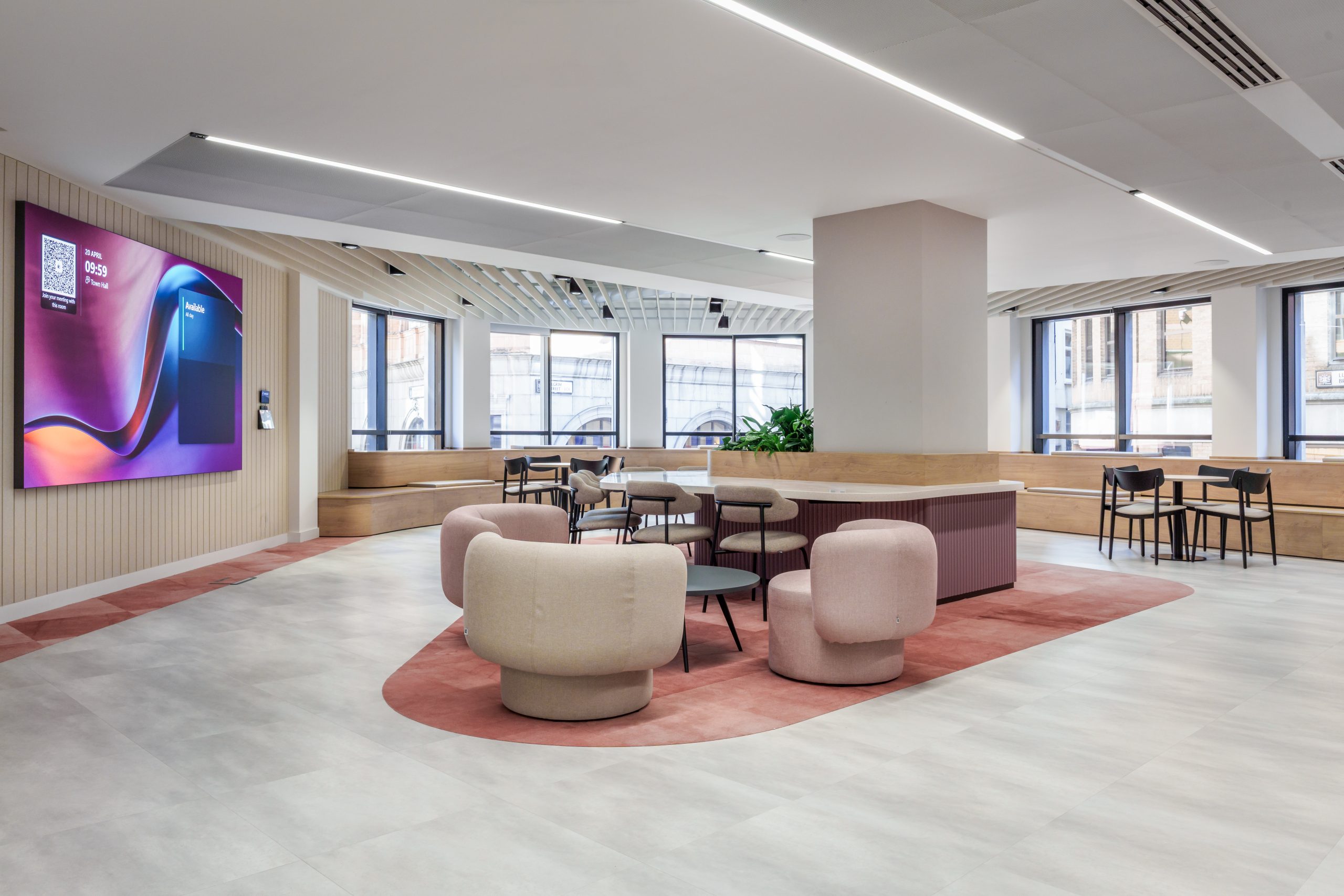
The workplace includes a town hall space with banquet seating and a media wall, enabling company‑wide updates, social events and flexible team interactions, encouraging collaboration and employee culture.
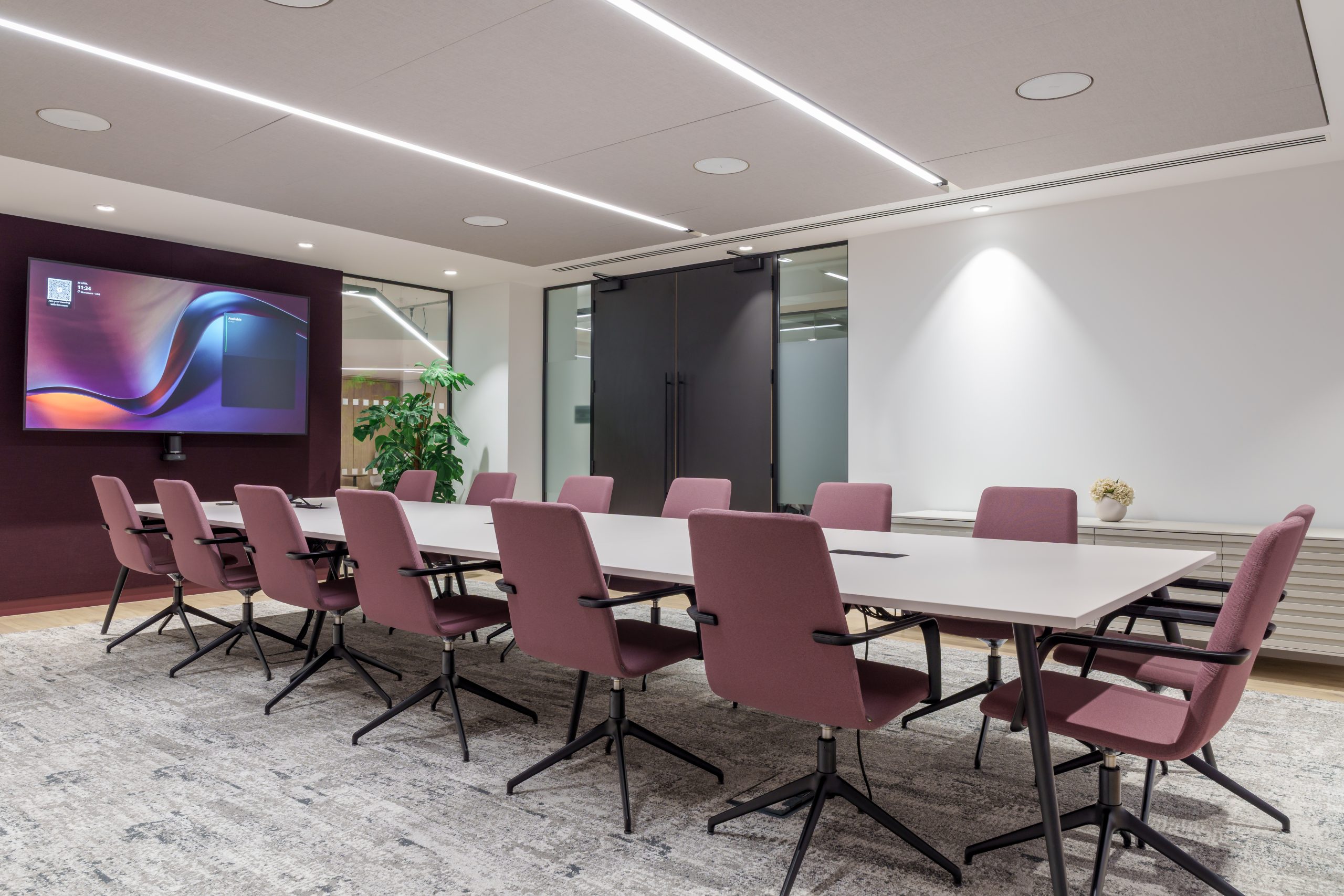
Flexibility of furniture and layout were important to support future growth as well as functionality. Two project rooms with a movable partition create highly adaptable environments for working sessions, workshops and departmental focus work.
Design principles underpinned by Vitesse’s values
AIS translated Vitesse’s three core values into practical design principles and material palettes - Trust, Ownership and Productivity. These principles guided key decisions across finishes, layout, lighting and spatial behaviour.
Trust – Front‑of‑house experience
Design principle: Create a calm, credible and welcoming environment that reflects professionalism and first impressions.
How it translates:
- Material continuity with the ground floor enhances familiarity and reassurance.
- Muted tones and softer ambience set a composed, confident atmosphere.
- Architectural features such as refined lighting and clean lines reinforce reliability and clarity.
Ownership – Active, customisable spaces
Design principle: Encourage employees to shape their environment and feel connected to the workplace identity.
How it translates:
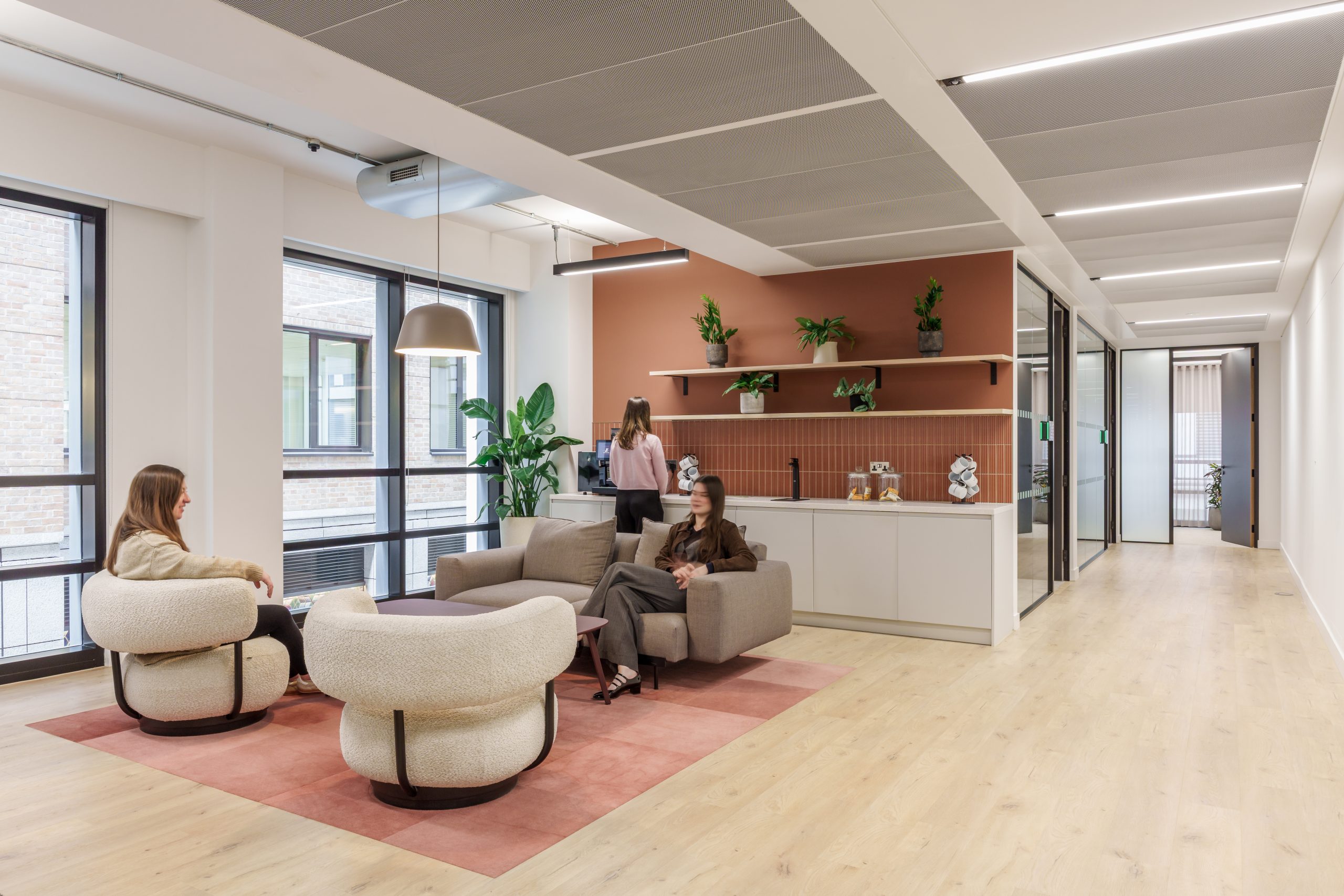
- Breakout and collaboration zones feature haptic textures, bold contrasts and playful details.
- Spaces are adaptable, allowing teams to personalise areas for projects, teamwork or focus.
- Distributed collaboration areas move the office away from a single hub, supporting everyday ownership and informal interaction.
Productivity – Purposeful, practical environments
Design principle: Ensure that the workplace supports focused work, efficiency and seamless movement.
How it translates:
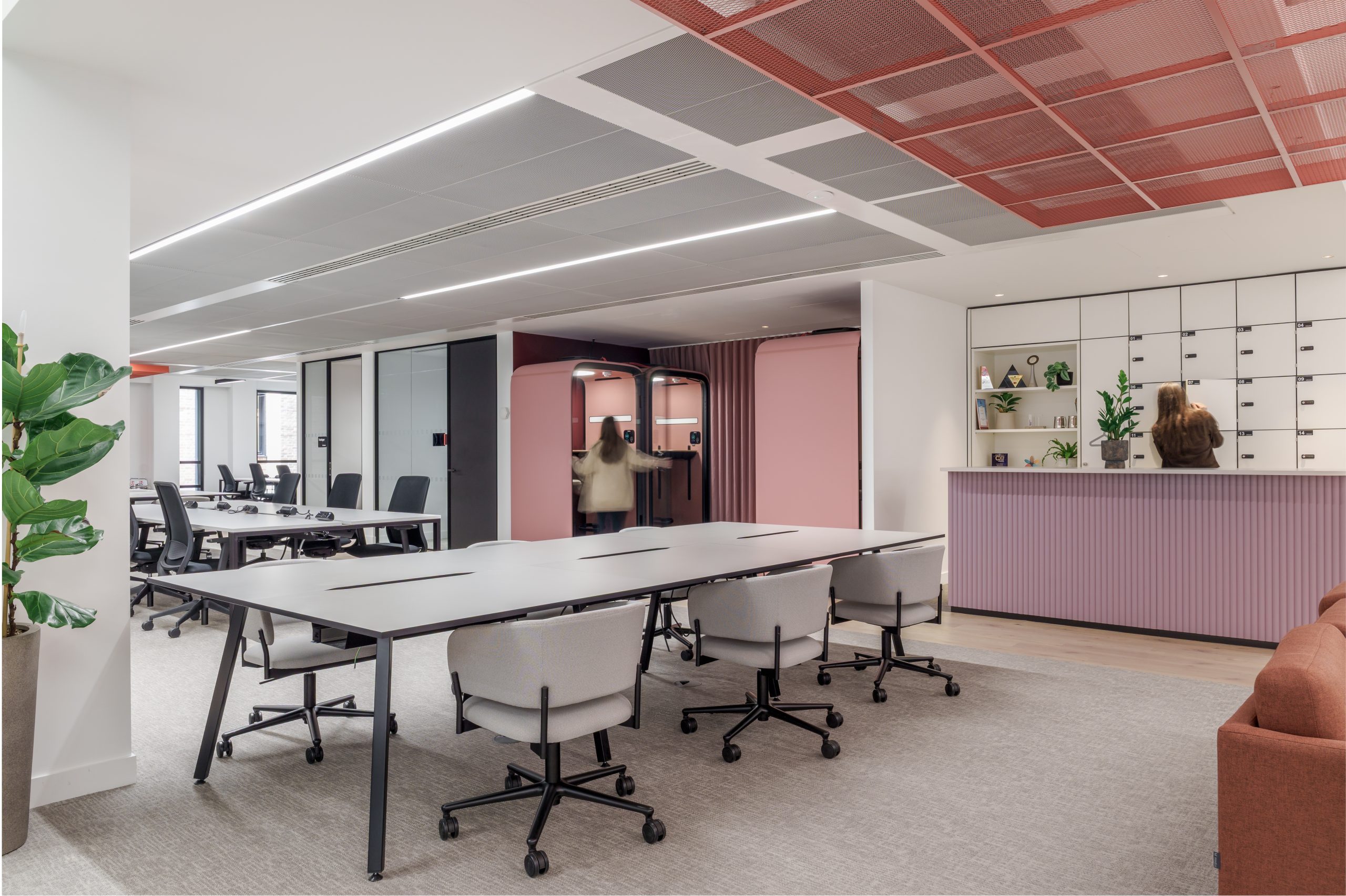
- Cooler tones and practical finishes support concentration and visual clarity.
- Lane‑based circulation ensures intuitive navigation and minimises interruptions.
- Open‑plan desks, project rooms and neighbourhoods are strategically placed to maximise flow and accessibility.